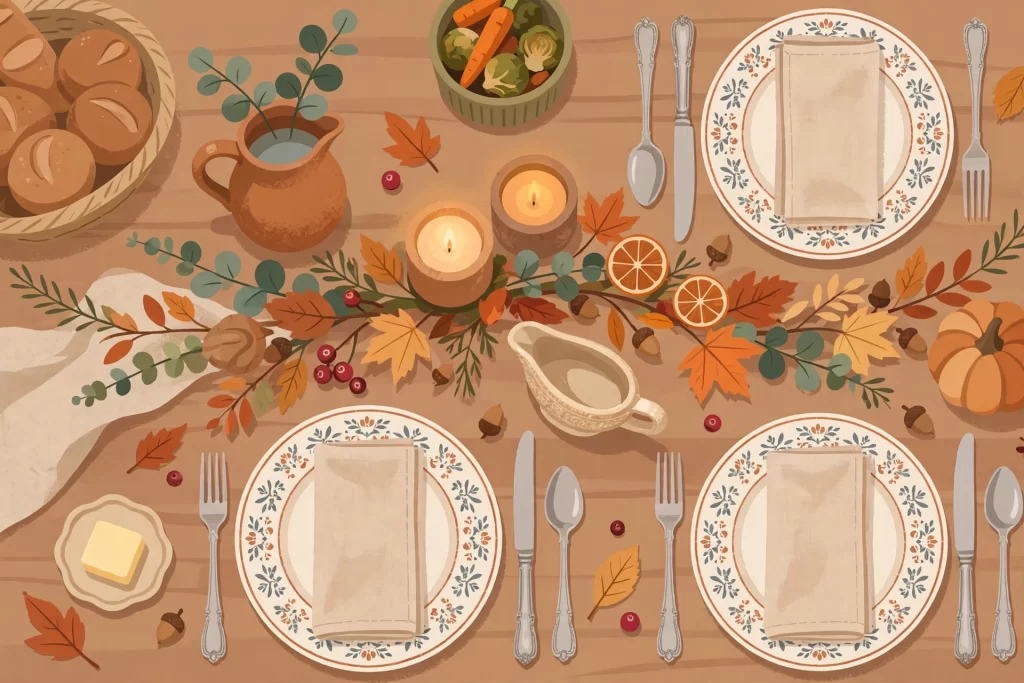
With the holidays just weeks away, St. Louis tables are about to get the full treatment — and that raises a familiar question in a lot of local homes: do the good china, your mom’s silverware, and grandma’s linens actually make it out of the cabinet this year, or do they stay tucked away for safekeeping?
A researcher at the University of Missouri–St. Louis says they should come out. Dan Grossman, an assistant professor of marketing at UMSL’s Ed G. Smith College of Business, co-authored five studies with colleagues from the University of Oregon, published in the Journal of Consumer Psychology, finding that using a sentimental object — rather than storing it — makes it mean more over time.
Storing, though, is what most of us do. In one survey of 175 people who each described up to five sentimental possessions, 83 percent had at least one item put away, and 51 percent of all the items named were sitting in drawers, closets, or safes. Most of those items — 69 percent — were stored to protect them from damage. In a second survey, most people predicted that using a sentimental item would either lower its value or make no difference at all. And yet 73 percent said they wished their sentimental possessions meant more to them.
That tension hits hardest, Grossman says, when older adults downsize. People spend a lifetime gathering things tied to memories and milestones, then face a smaller home and a hard round of decisions about what stays and what goes. When family members turn those objects down, it stings on both sides — the giver feels rejected, and the younger generation feels handed a burden it never asked for.
His advice starts with the stories. If no one ever explained why the silverware mattered, a surprise handoff can feel like a mismatch. Telling those stories repeatedly, over time, is what gives an object its weight for the next person.
Timing matters, too. Don’t spring the conversation on a whim or on a bad day, Grossman cautions — how someone receives news depends a lot on their mood in the moment. A calm, unhurried conversation beats a stressed one every time.
Grossman hopes to eventually build a practical roadmap for older adults: tools to help identify which items are worth passing along, and how to give them the best chance of being valued just as much by the next person. He doesn’t minimize the pain in the process — being turned down hurts, and watching a treasured thing get rejected is a real loss. But he sees the work as easing a universal human experience, even a little.
His research backs up the simple version of the advice: people who actually used a sentimental possession were reminded of the special person or event behind it more often, felt that connection as a bigger part of who they are, and valued the object more as a result.
So this holiday season, consider it permission. Don’t just store the baseball you caught sitting next to your dad in the bleachers, or the crystal stemware from your parents’ wedding day. Put them to use, tell the story behind them, and let them remind you — and the people around your table — who you are.