Somewhere in Rock Hill, there’s a house that doesn’t care how brutal a St. Louis winter gets. When the thermometer hit negative 8 last year — before the HVAC was even running — the owners heated all 3,466 square feet of it with two space heaters. And it stayed comfortable.
That house just became the first certified Passive House in eastern Missouri, according to architect Jessica Deem of Virescent Architecture + Design. (Kansas City, she notes, beat St. Louis to the first statewide.) The certification comes from Phius, the nonprofit that sets the Passive House standard.
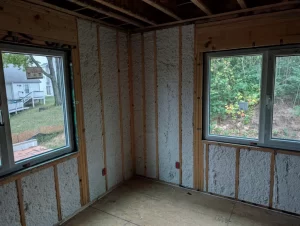
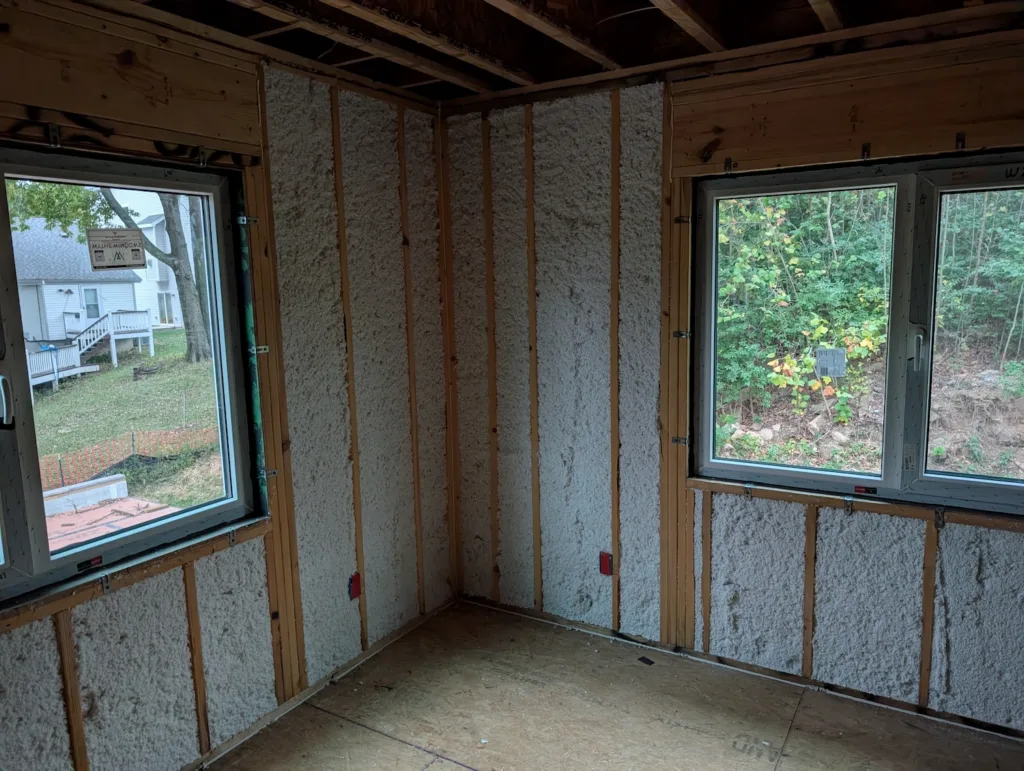
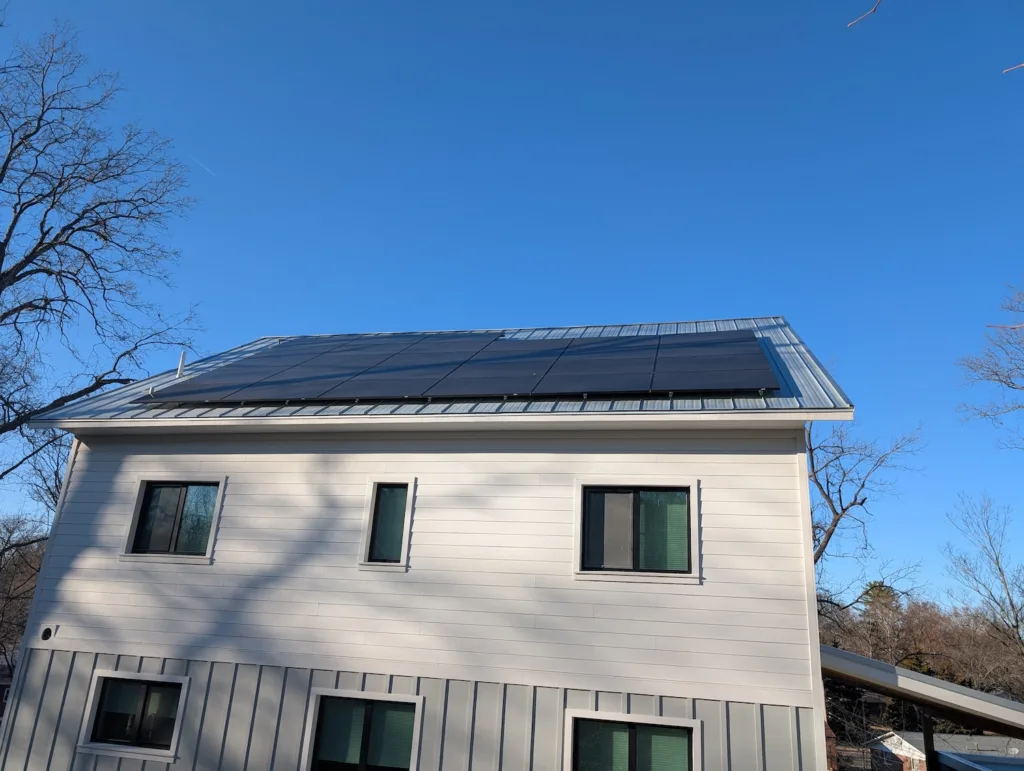
So what makes a house “passive”? It’s built to be so efficient it can generate as much energy as it consumes. Rooftop solar panels produce about 14,844 kilowatt-hours a year. Expert insulation and high-performance windows make the whole envelope nearly airtight. Despite the name, though, the house is far from inert — Deem explains there’s a very active ventilation system pulling in fresh outdoor air, ducted into every major living space, constantly filtering pollutants and running an energy-recovery process. That’s a genuine upgrade in indoor air quality over a typical home, and it matters most precisely because the house is so well sealed: you run your heating and cooling far less, so the ventilation does the work of keeping everything fresh.
Deem first encountered the Passive House movement while studying in Switzerland, then kept tabs on builds going up in Minneapolis and Chicago. She moved back to her native St. Louis in 2012, founded her firm in 2017, and came home determined to bring the knowledge with her. “We have the expertise here. We just haven’t really had the demand for it,” she says. “We’re hoping this is the first of more projects to come.”
Her chance finally came when Nate and Alison Brack hired her. The couple — both psychotherapists, raising two small kids — had zero design background. What they had was a 1935 brick house in Affton that drove them up the wall. The insulation was nearly nonexistent; the air conditioners couldn’t keep up; the attic was just as bad despite a newer renovation. Nate went down the internet rabbit hole on passive houses, and when the couple picked up a large lot near Berry and Manchester in Rock Hill, they decided to build something that solved the problem at its root.
The build wasn’t easy. Brack is candid about it: arguments with the builder, with Passive House standards sometimes getting blamed for delays. But the payoff arrived even before the house was finished last February. “It just does not leak heat,” he says.
Beyond lower bills, Deem points to resilience — and this is where the timing feels right. There are stories of Passive Houses in upstate New York riding out winter power outages over an entire weekend, with occupants only realizing days later that the power had ever gone out, because the temperature inside barely budged. Brack has taken that lesson to heart: a 20 kilowatt-hour battery system, solar, and an electric vehicle he can plug into the house as a generator. “Altogether, the house could probably run for like a week without having to use Ameren,” he says.
Settled in now, he’s looking forward to the first full winter. “I anticipate we’ll have almost zero electricity bills, and it will be incredibly comfortable.”
For a region that swings from subzero cold snaps to brutal heat waves, that’s a pretty compelling pitch — and St. Louis just got its proof of concept.