Three months ago, Alex Earl and Andrea Burkhart were baking out of their South City home kitchen — loaf pans crowding every counter, fresh Japanese breads cooling on racks, order slips stuck to the refrigerator. Today, the couple behind the micro-bakery Hokori can’t keep up any other way: nearly every pop-up sells out, online orders arrive in a steady stream, and the business has officially moved into a commercial kitchen.
Since launching in July, Hokori has been running at its self-imposed ceiling of about 40 orders a week — most weeks landing between 30 and 40. Word travels fast when your neighbors have been missing the flavors of home. “It blew up almost immediately, because I feel like the Japanese population here and most of the Asian population also have nostalgic feelings about the things that we’re making,” Earl says.
Shio-pan, shoku-pan, and the occasional apple pie focaccia
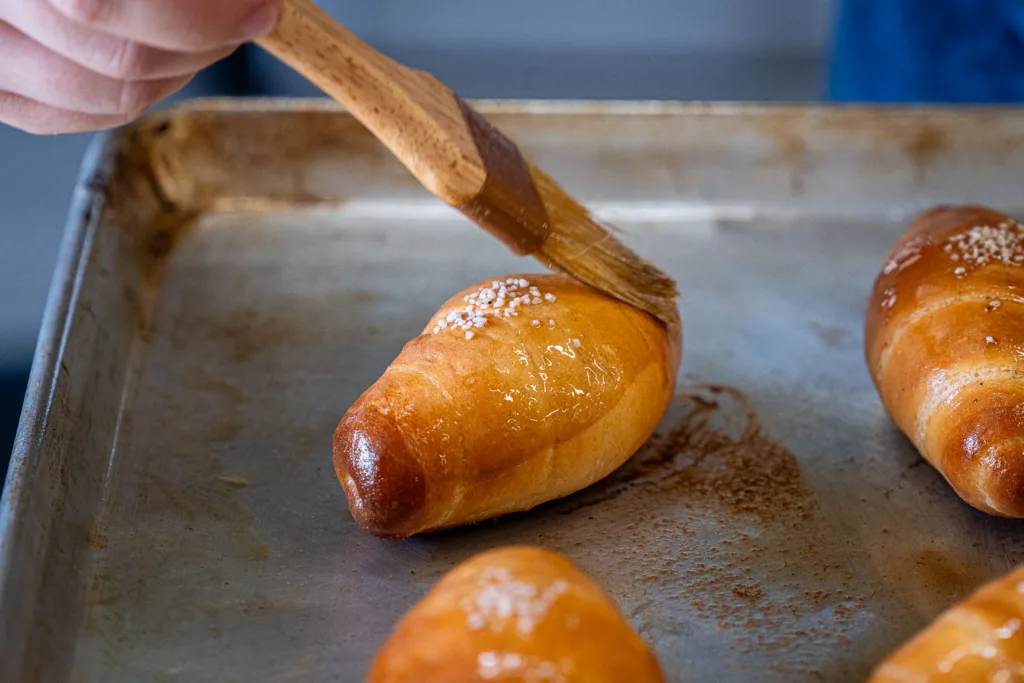
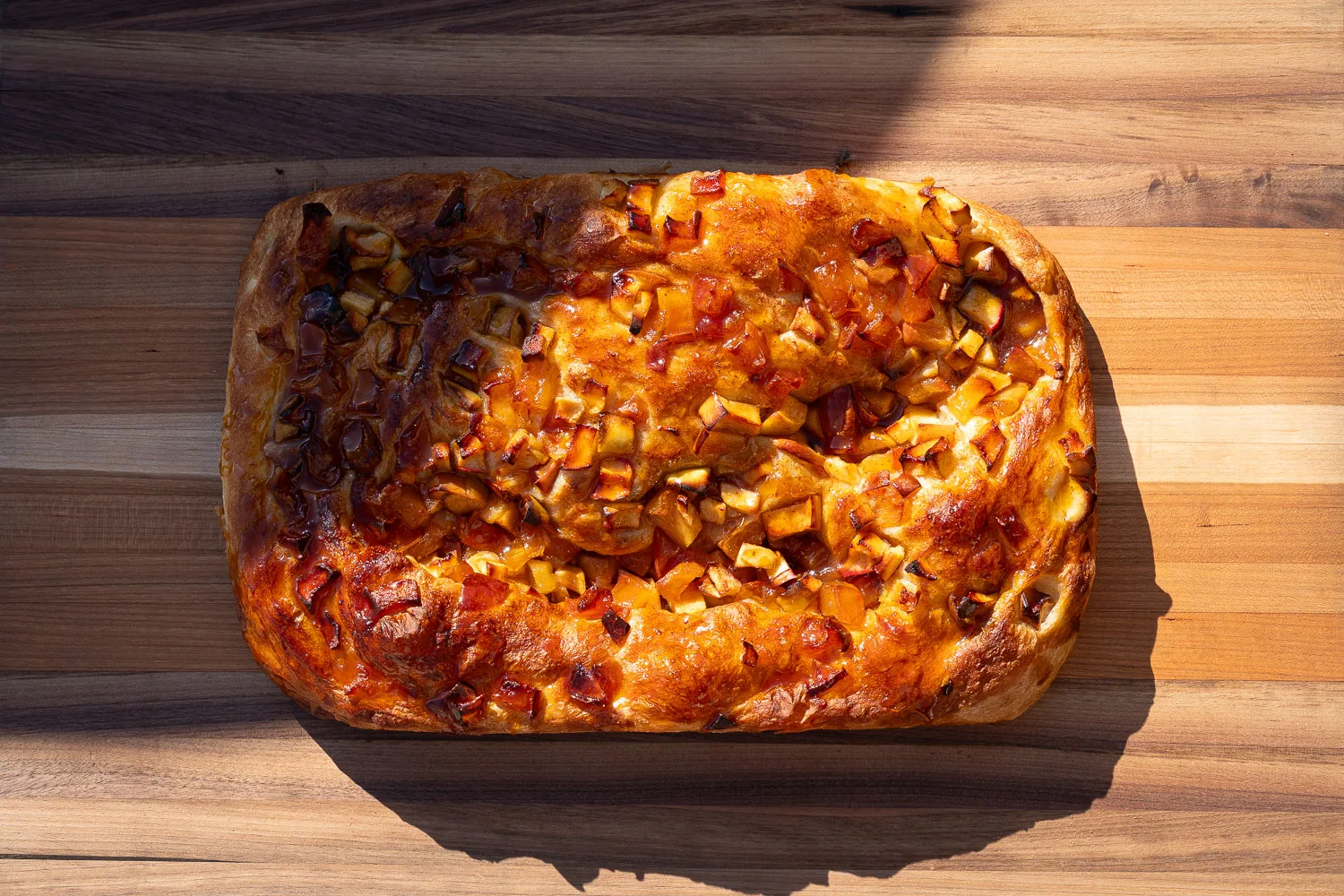
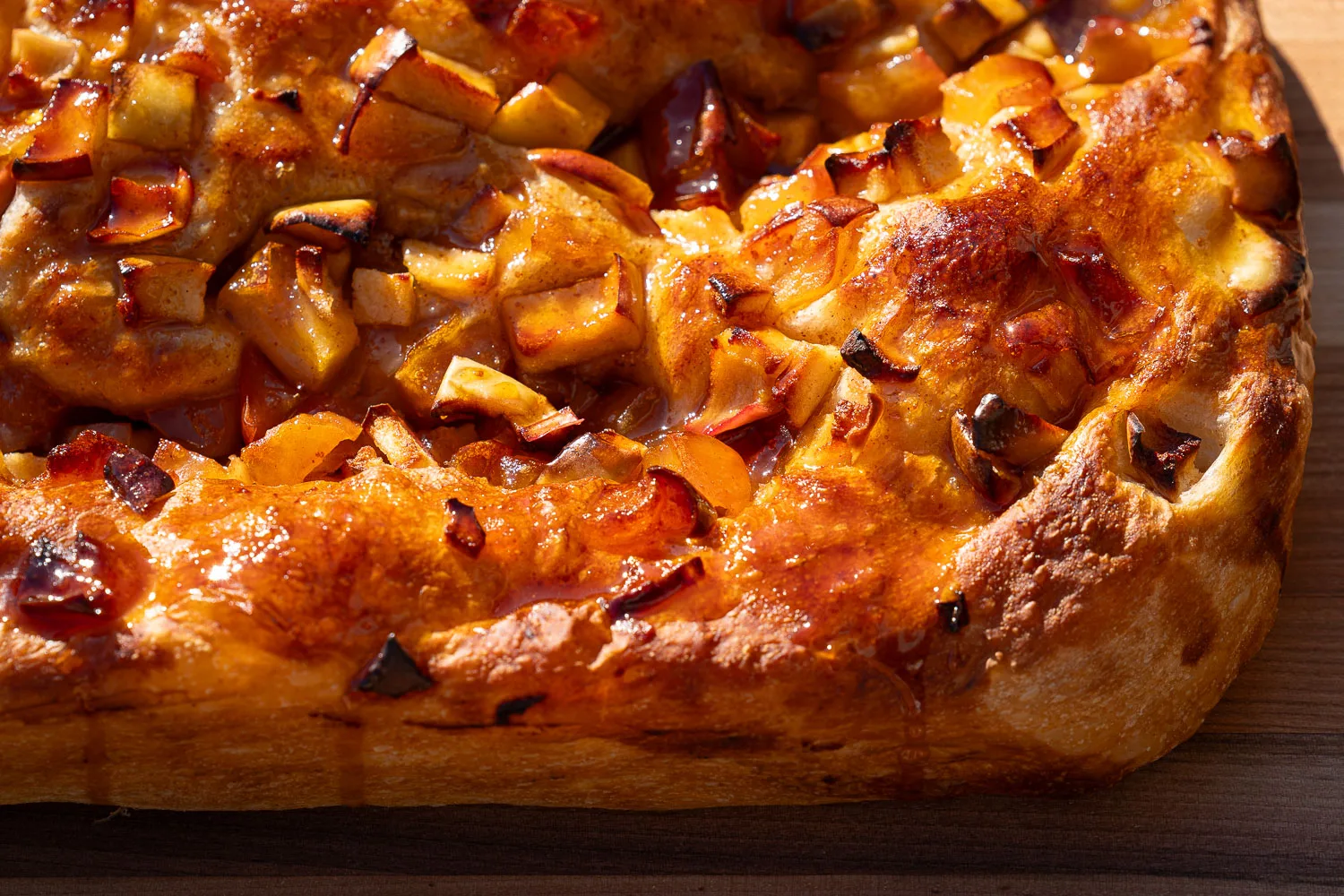
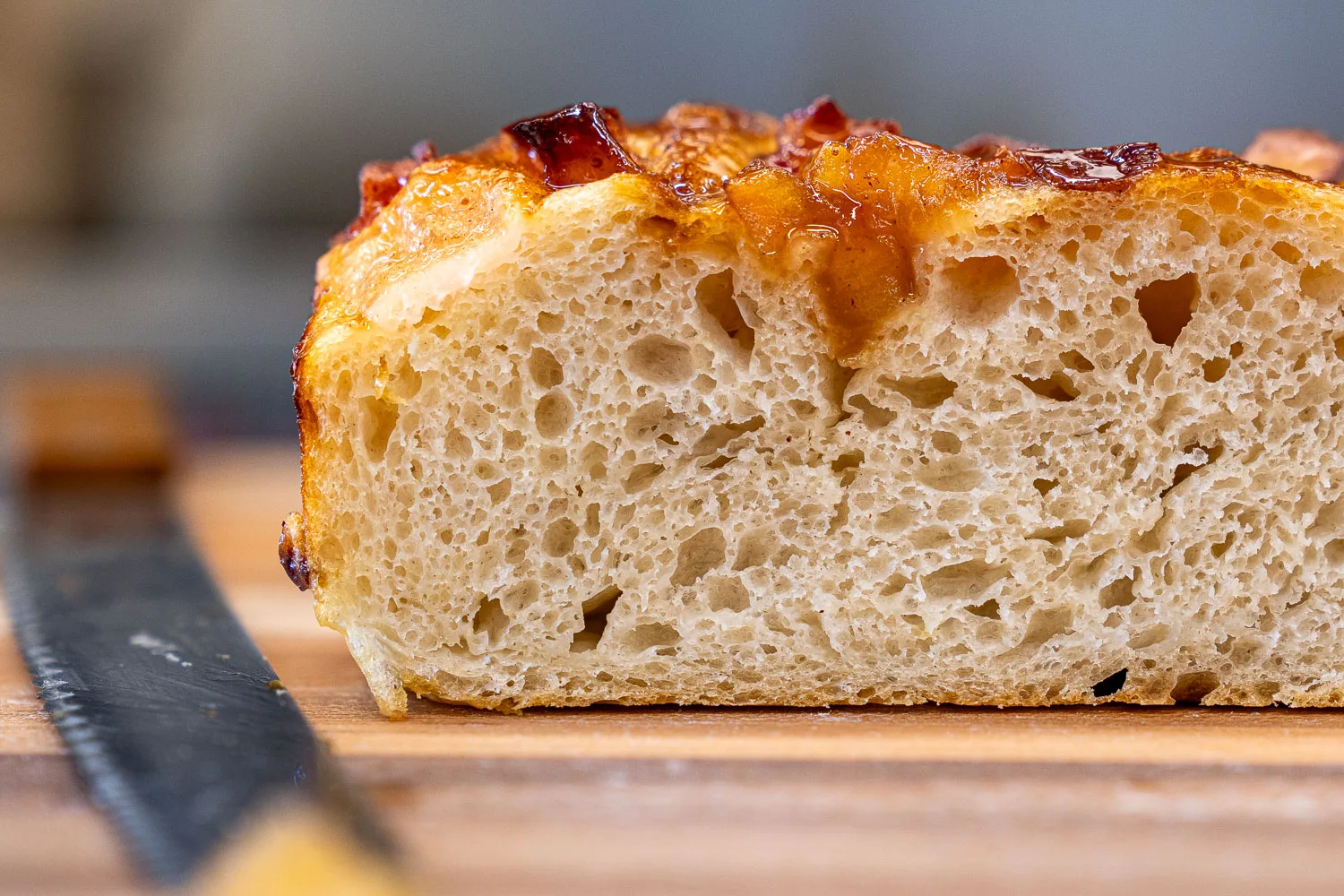
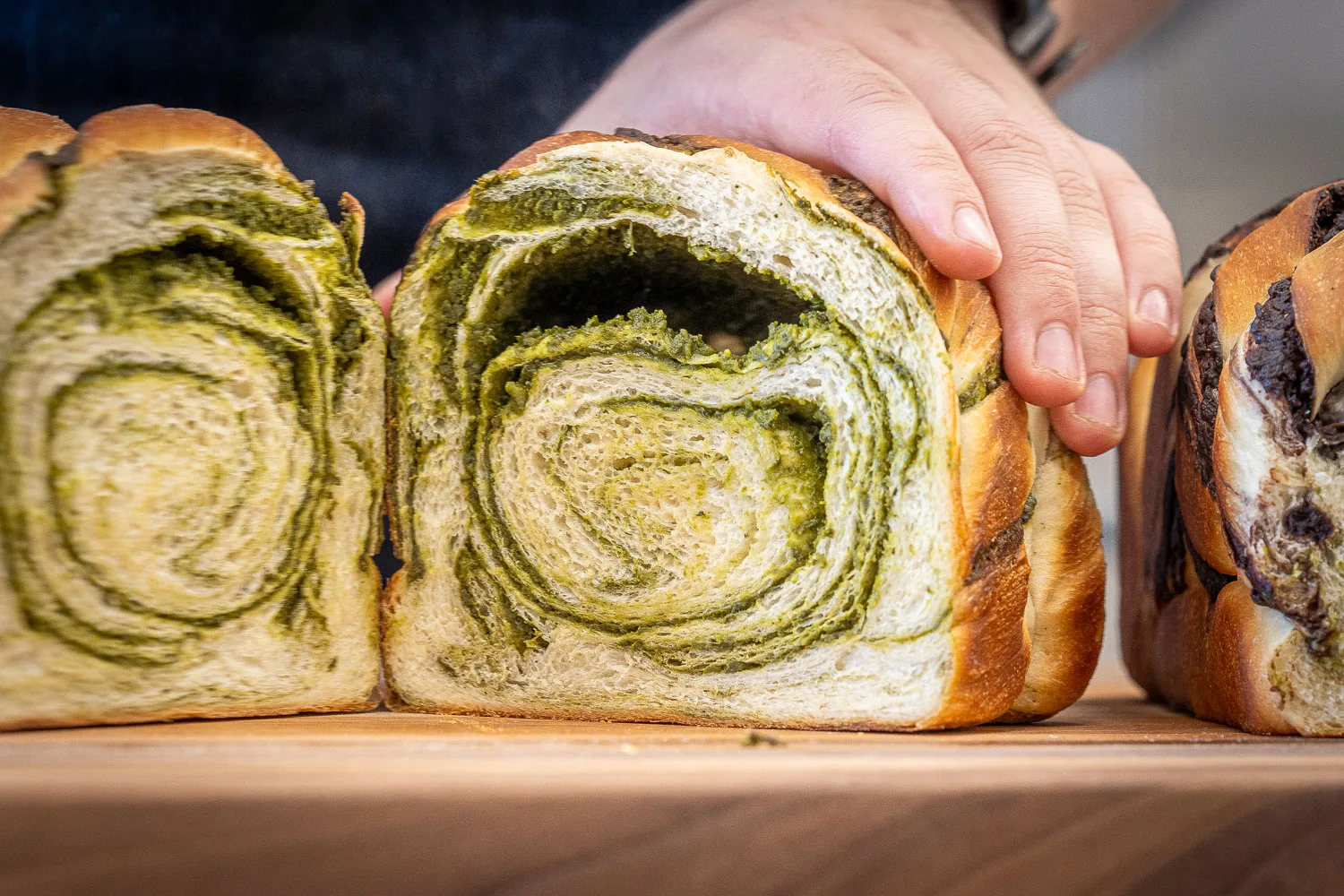
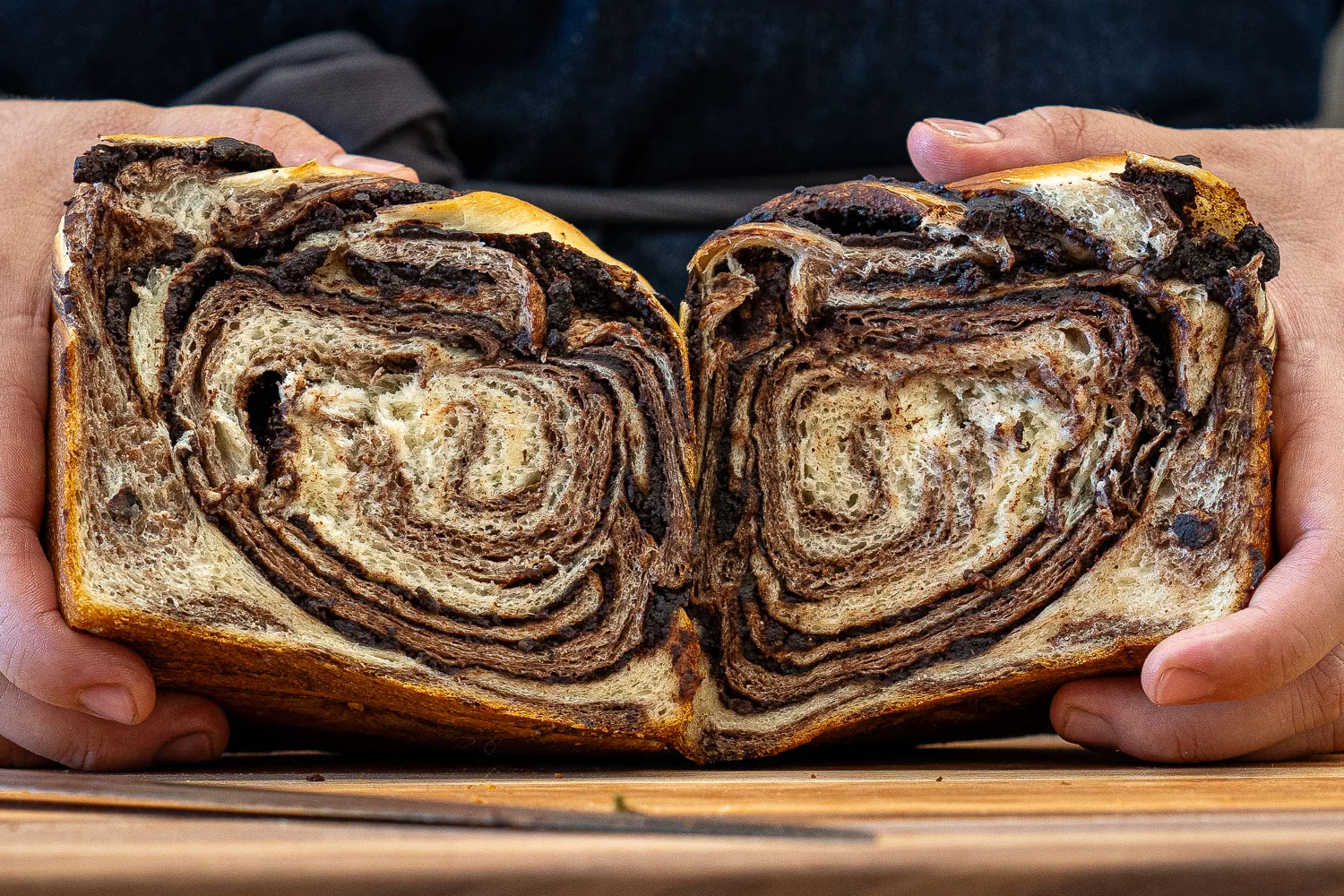
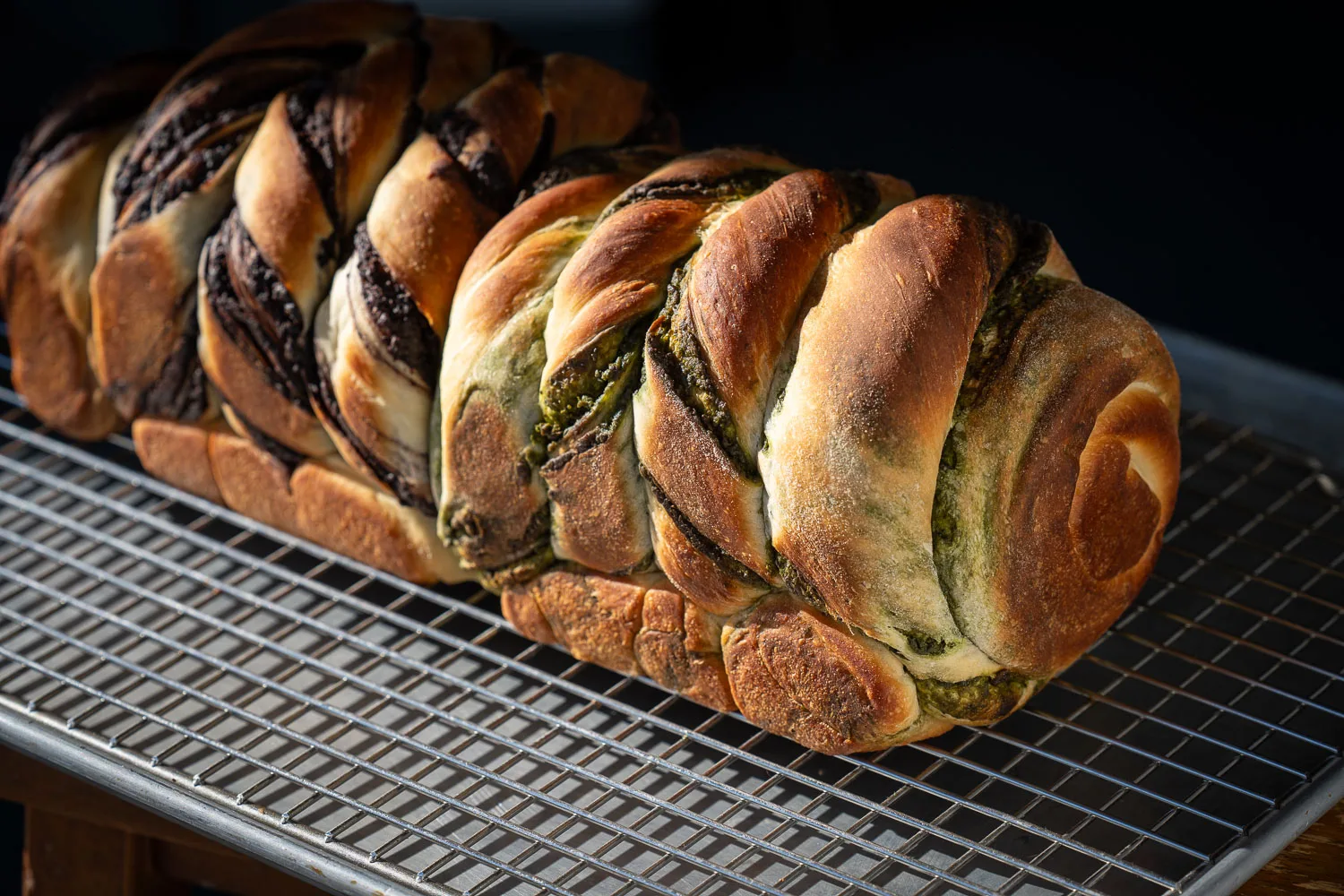
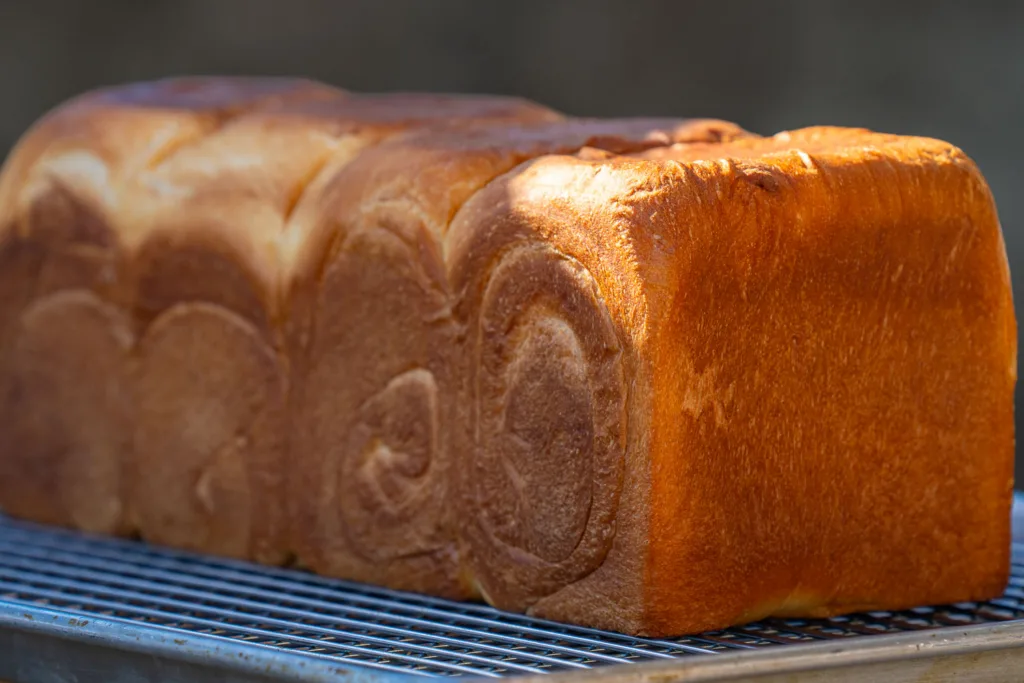
The menu centers on Japanese bakery staples done the traditional way. There is shoku-pan, the famously fluffy Japanese milk bread, in classic form as well as matcha and chocolate marble swirls. Then there is shio-pan, the buttery salt-topped roll Earl likens to a cross between a pretzel, a croissant, and a dinner roll — crisp salted crust outside, pillowy crumb inside — in flavors like honey butter, garlic butter, and miso brown sugar butter. The couple also likes to experiment: apple pie focaccia has made appearances among their more freewheeling creations.
A Japan trip that changed everything
Earl grew up in Japan and came to the United States in 2014 to attend the University of Utah. He later landed in O’Fallon, where he met Burkhart while working at a pizza shop — and where much of his early baking know-how came from pizza kitchens, plus cooking competitions back in high school. The real turning point was a 2024 trip back to Japan with Burkhart. Reconnecting with the foods of his childhood, Earl realized how many of them simply didn’t exist in St. Louis. They came home and started testing shoku-pan recipes almost immediately.
Some recipes arrived through family and friends; others started with traditional Japanese recipes found online. With a researcher’s instincts, Earl went deep on the science — reading papers on gluten structure and technique until he felt he understood the best possible way to build a loaf. “As a researcher, I was like, wait, there are actually papers about the best way to make bread,” he says. Friends who tasted the early batches were enthusiastic enough that the couple decided to make it a business.
Twelve-hour days and a two-rack oven
Growth came with a punishing schedule. Orders came in Monday through Thursday; dough prep started Wednesday; baking happened Friday; weekends belonged to pop-ups that needed their own prep and the help of family and friends. Some pop-ups went far beyond bread — for a yakitori night, the couple butchered the chicken themselves and prepped roughly 800 skewers in four flavors. Ahead of a recent pop-up at Platypus, they pulled three consecutive 12-hour days and were still nearly late: bread, as Earl puts it, takes forever. Twelve- to eighteen-hour days became routine, with Earl sometimes baking until 3 a.m. and back in the kitchen four hours later. Burkhart still works as a server alongside the bakery.
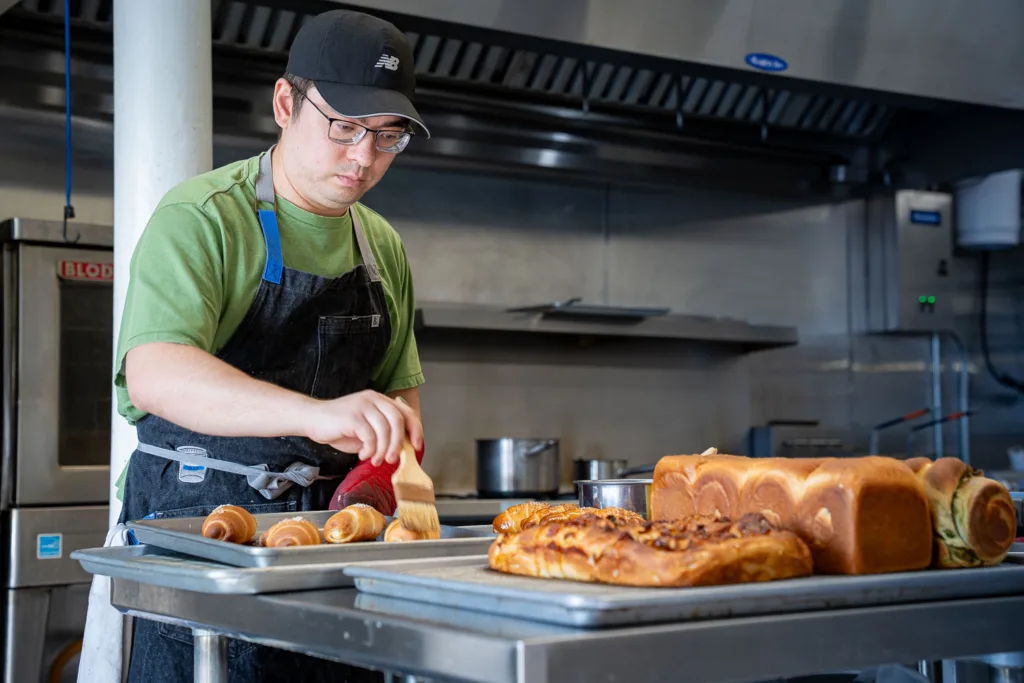
Relief arrived when Heidi Skye Hamamura, who runs the sushi pop-up and catering company Taberu, tipped them off about an opening at the Greencubator commissary kitchen. Hokori moved into the space during the first week of October. The upgrade is about more than square footage: a commercial convection oven finally lets Earl chase the shio-pan crust his home oven could never quite deliver. “In a commercial kitchen, I finally get to experiment again,” he says.
What’s next
The plan is to stay small for now, even with eyes on a possible brick-and-mortar bakery down the road. Next year they hope to add farmers markets, while online orders and pop-ups continue — and customers can still pick up orders at the couple’s South City home, with the commissary handling production. For Earl and Burkhart, the pop-ups remain the best part: the moment a customer tastes something they haven’t had in years. “Japanese people come up to me and say, ‘These are flavors I haven’t had in years,'” Earl says. “Seeing the support from the community has been nice.”